The State of Fashion 2026: Circularity Is No Longer an Option, It Is a System
As the global fashion industry enters 2026, the rules of the game are being rewritten.
The State of Fashion 2026 report, published by The Business of Fashion & McKinsey, clearly outlines the transformation brands are facing: consumers are more informed, competition is fiercer, costs are more unpredictable, and circularity is undeniably moving to the center of the industry.
In this new era, the most critical turning point is the consumer’s search for meaning and value. According to the report, 59% of global consumers (over 70% in China, for example) plan to purchase second-hand or refurbished products in 2026. This shift is not driven solely by economic concerns; consumers are increasingly seeking to optimize the balance between quality, accessibility, sustainability, and savings.
After decades of operating along a “trend-driven” axis, fashion is now being restructured around value and circularity.

13.03.2026
The strongest indicator of this transformation is highlighted in the report under the title “Resale Sprint”: second-hand and refurbished products are growing two to three times faster than the primary fashion market. The acceleration—particularly in categories such as outerwear, bags, and sneakers—demonstrates that consumer behavior is establishing a new normal. The fact that brands’ resale programs increased by 300% between 2021 and 2025 shows that this space has evolved into a strategic imperative rather than an optional initiative.
It is precisely at this point that the system built by nivo positions itself as a new industry benchmark.
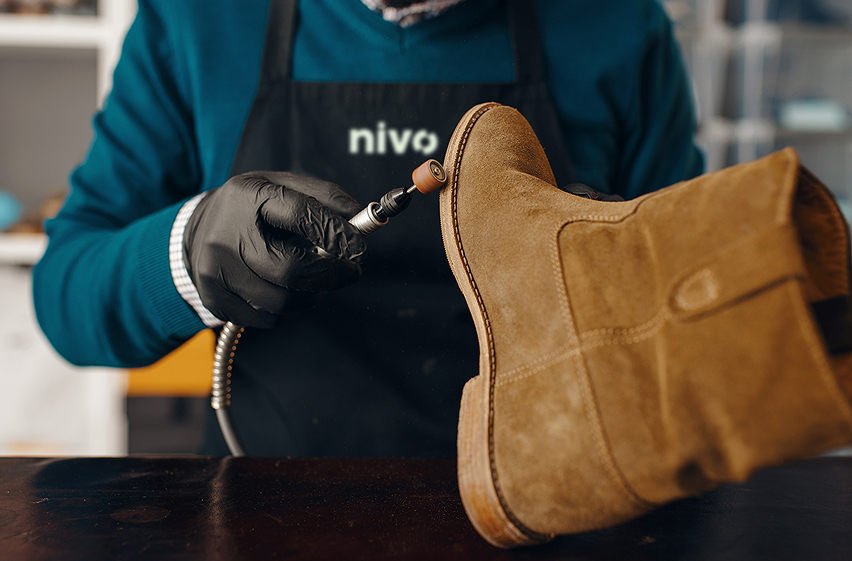
nivo approaches circularity not merely as a sustainability narrative, but as a fully operational, end-to-end business model: Collect. Process. Reintroduce. Products collected from partner brands are carefully renewed at Türkiye’s first and largest renewal center and are currently reintroduced to new users through nivo stores (with plans to expand into broader third-party retail chains).
In doing so, products gain a second life, while a new cycle is established—one that generates both economic and environmental value for brands.
Why is nivo the right partner?
1. Consumers are value-driven — brands must respond accordingly
Today’s consumer no longer acts based solely on price motivation, but through a far more holistic value algorithm. In this equation, quality, sustainability, accessibility, discovery, and savings gain meaning together. nivo offers a measurable system that captures this insight, operationalizes it, and generates value on behalf of brands.
2. Resale is no longer a side project; it is a growth engine
The report highlights three critical benefits of resale:
- •Acquisition of new customers
- •Strengthening of brand perception
- •Inventory optimization and increased profitability
nivo’s model enables brands to deliver tangible results precisely in these three areas.
3. The technology and AI wave: Fashion visibility is now defined by new SEO dynamics
AI-powered shopping behavior requires brands to ensure their products are discoverable within these emerging systems. nivo’s technology layer — supported by transparent renewal processes and data-driven operations — positions brands strongly within this new consumer flow.
4. Rising regulatory pressure: Sustainability is now a compliance requirement
Emerging regulations such as digital product passports, Extended Producer Responsibility (EPR), and textile waste management are forcing brands to adapt rapidly. By offering scalable and traceable collection, renewal, and resale processes, nivo simplifies and accelerates brands’ compliance journey.
What nivo Delivers to Partner Brands
1. Extends product lifespan and improves the brand’s sustainability score
Each renewed product directly contributes to the brand’s carbon, water, and waste reduction performance. This creates a strong and measurable KPI framework for annual sustainability reports.
2. Enables cost-efficient access to new customer segments
The resale channel is one of the most effective ways to strengthen brand reputation, particularly among Gen Z and value-driven young adults. The cost of this engagement is significantly lower compared to conventional channels.
3. Provides a seasonless, risk-mitigated revenue model
Renewed products are not tied to fast-changing trend cycles; therefore, demand is more stable and sustainable. For brands, this creates a more predictable and lower-risk additional revenue stream.
4. Recovers value from excess inventory and defective products
Products sitting in warehouses increase operational costs. nivo transforms these items into economic value, eliminating idle cost and unlocking trapped inventory potential.
5. Makes the brand’s sustainability claims tangible
Many brands communicate sustainability commitments but struggle to operationalize them. nivo strengthens these claims with verifiable data points such as “number of products collected,” “amount of resources saved,” and “number of users integrated into the circular system.”
6. Establishes an end-to-end circular operation at scale in Türkiye
Brands can operate through a ready-built, tested, and growth-oriented system — rather than attempting to build and manage a complex circular infrastructure on their own.
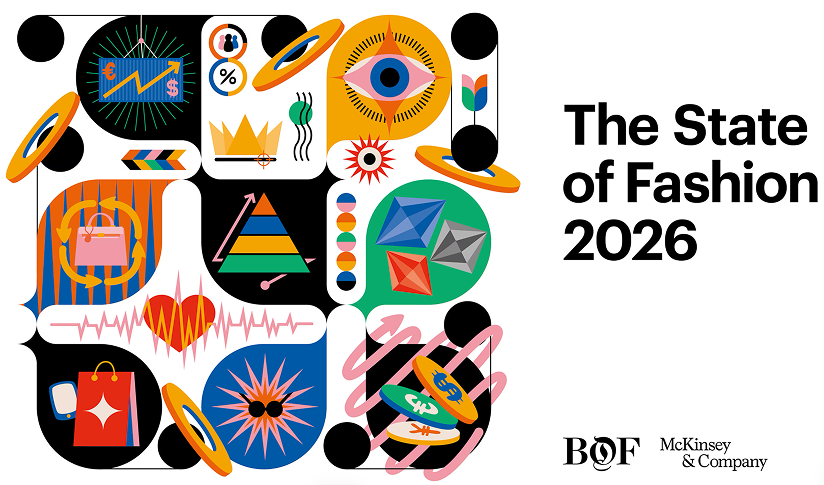
In conclusion, The State of Fashion 2026 report clearly demonstrates that fashion’s linear structure is dissolving, while circular systems are on the rise. The future will be shaped not only by new products, but by new cycles, new flows, and a renewed understanding of value.
And in this new era, brands cannot afford to move forward alone.
The circular economy universe we define as The Circuverse exists precisely for this reason. nivo is ready to serve as the central force powering the fashion ecosystem within this new universe.